SER

Final Results of TWON
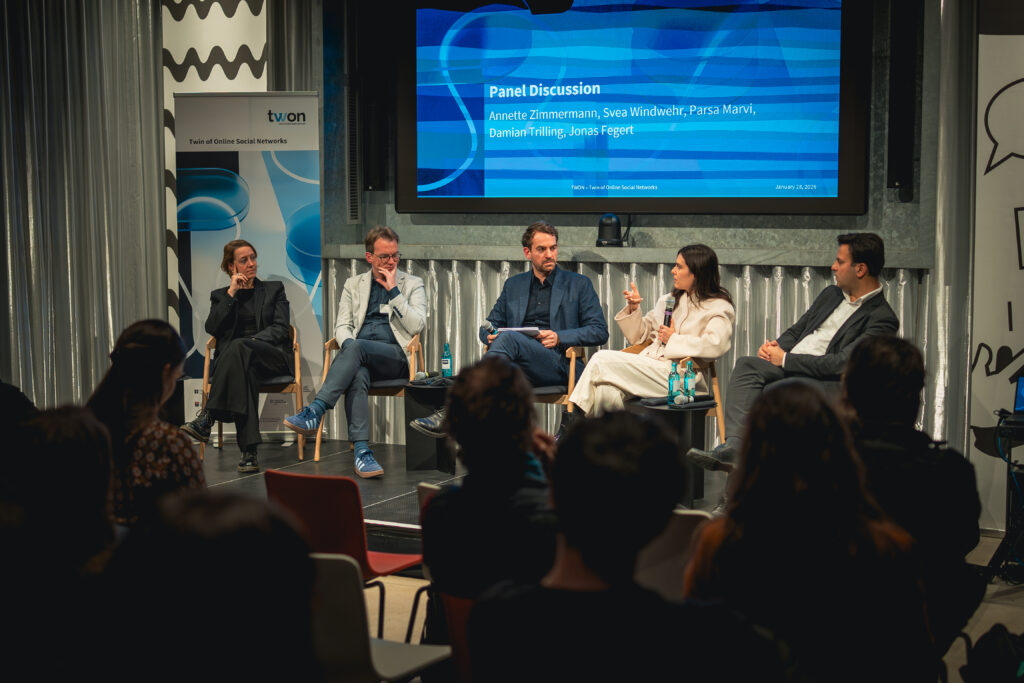
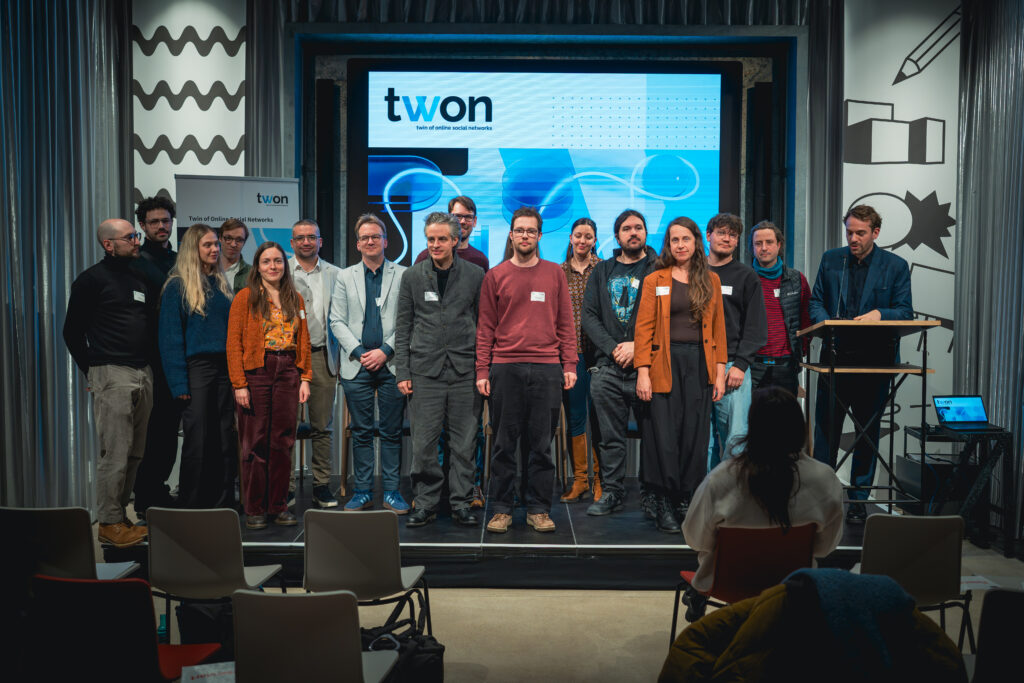
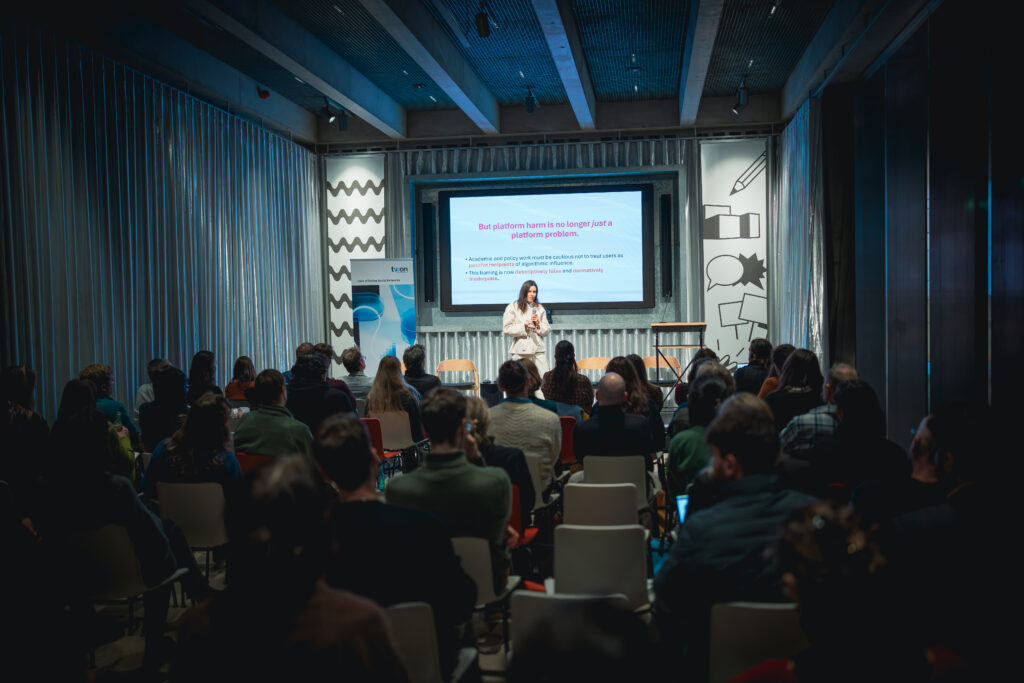
After three years of interdisciplinary research, the TWON, Twin of Online Social Networks project concluded with a final event in Berlin, where the international consortium presented key findings on how online platforms shape democratic discourse and how mechanisms of discourse manipulation emerge in digital environments.

The closing event, hosted at Publix Berlin, brought together researchers as well as representatives from politics, academia, and civil society. Led by the FZI Research Center for Information Technology, the consortium reflected on the project’s results and discussed implications for future research, platform governance, and regulation.

The event was opened by Dr Jonas Fegert, who emphasized the central role of online platforms and their underlying mechanisms in shaping public debate and democratic participation.

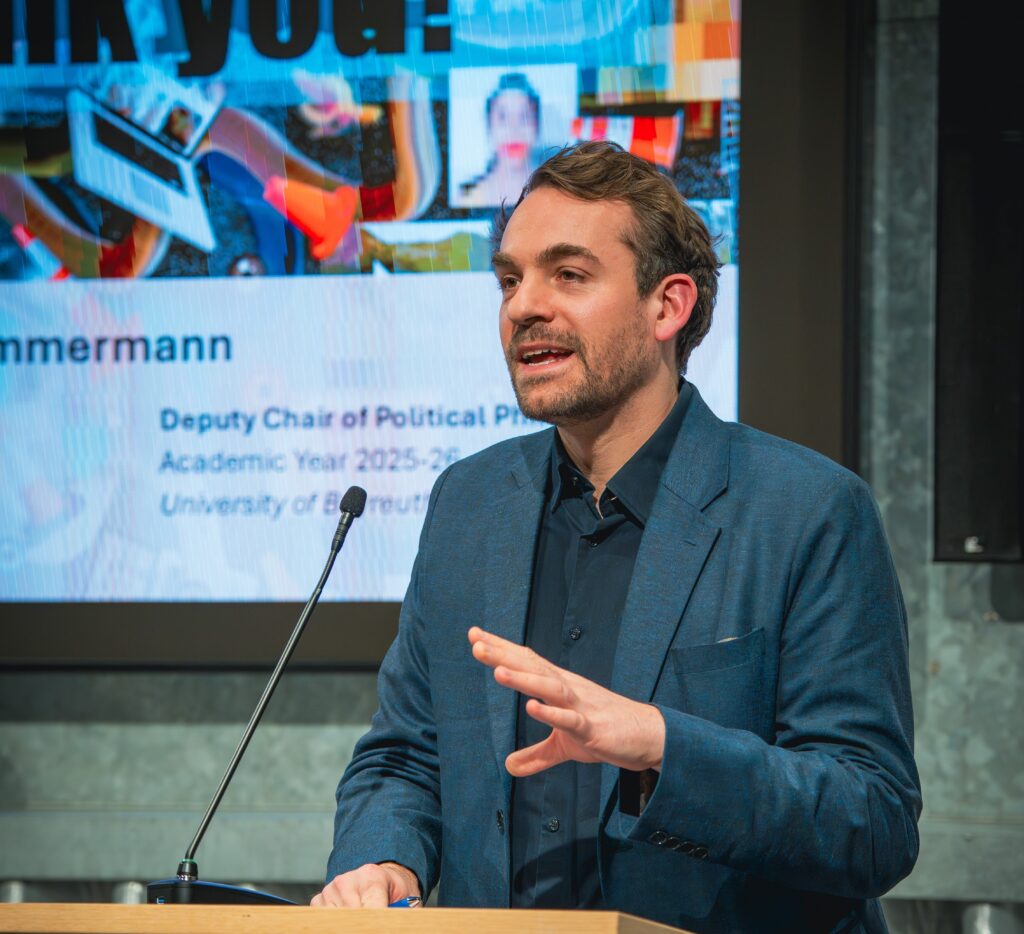
In the keynote, Dr Annette Zimmermann explored how platform mechanisms influence discourse dynamics on social media, including practices such as dog whistling and self censorship. She highlighted how these dynamics affect public deliberation and outlined important avenues for future research.

Parsa Marvi, Member of the German Bundestag, underlined the relevance of TWON for understanding democratic discourse in the digital age. He stressed the importance of evidence based research for effective and responsible platform regulation.

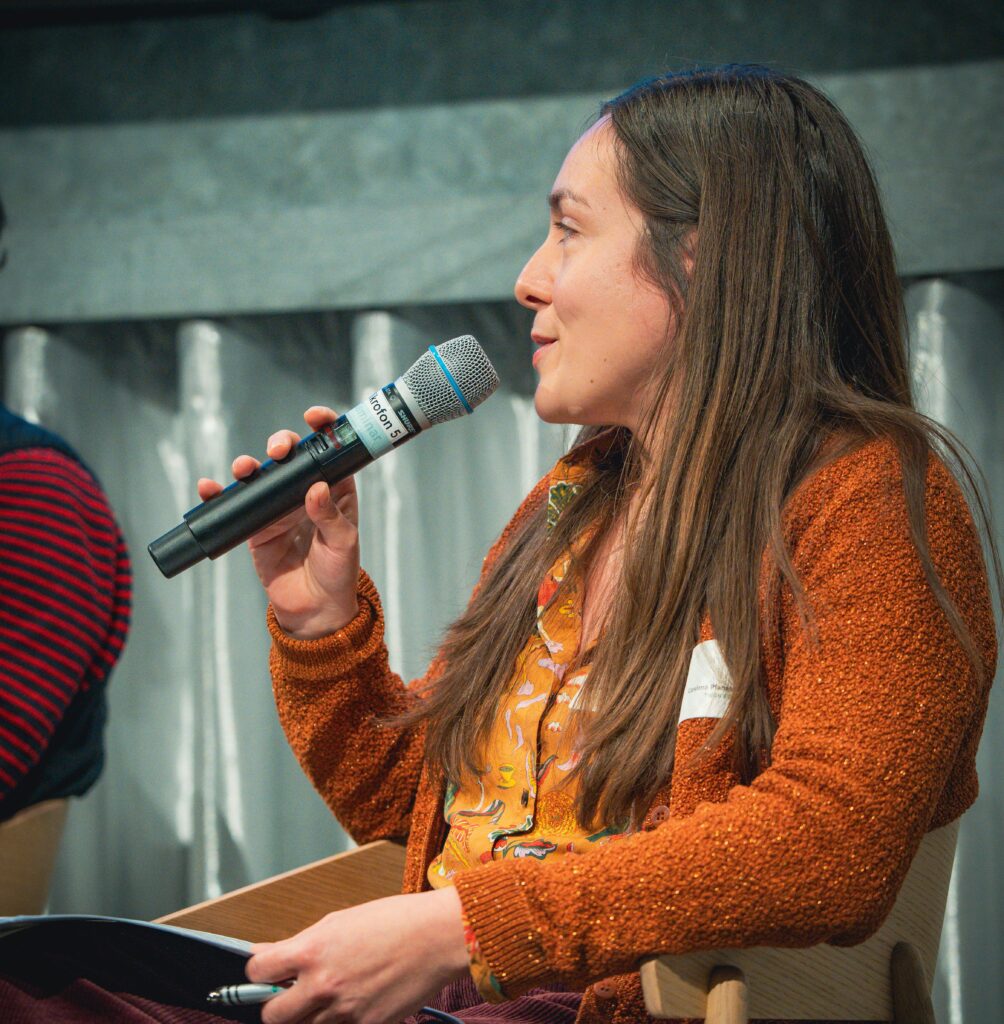
Key research results from the project were presented and discussed in a session moderated by Cosima Pfannschmidt, with contributions from Dr Alenka Guček, Prof Damian Trilling, Prof Achim Rettinger, and Prof Michael Maes, among others.

The event concluded with a panel discussion titled What’s next, featuring Annette Zimmermann, Parsa Marvi, Svea Windwehr, and Damian Trilling, moderated by Jonas Fegert. The discussion focused on concrete recommendations from research, policy, and implementation, particularly in relation to the Digital Services Act, and discussed how online social networks can be held accountable in times of increasing geopolitical tensions.

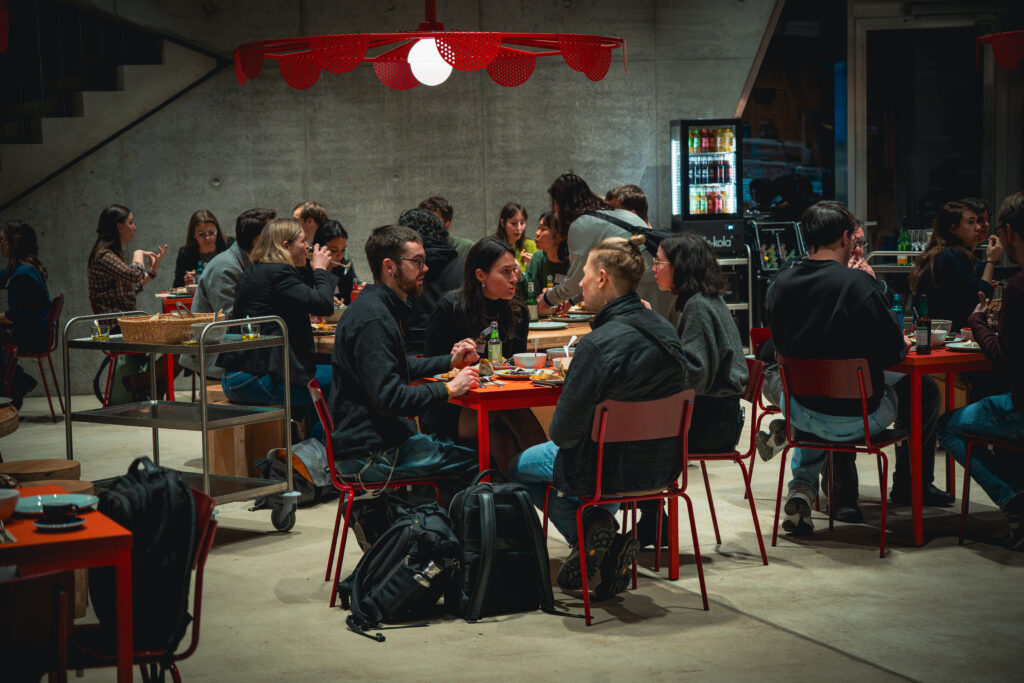
Throughout the evening, participants engaged with interactive project demonstrators, discussed research findings, and exchanged perspectives with TWON partners from across Europe.

TWON thanks all speakers, panelists, participants, and project partners for their valuable contributions and the close collaboration over the past three years.

TWON Policy Hackathon

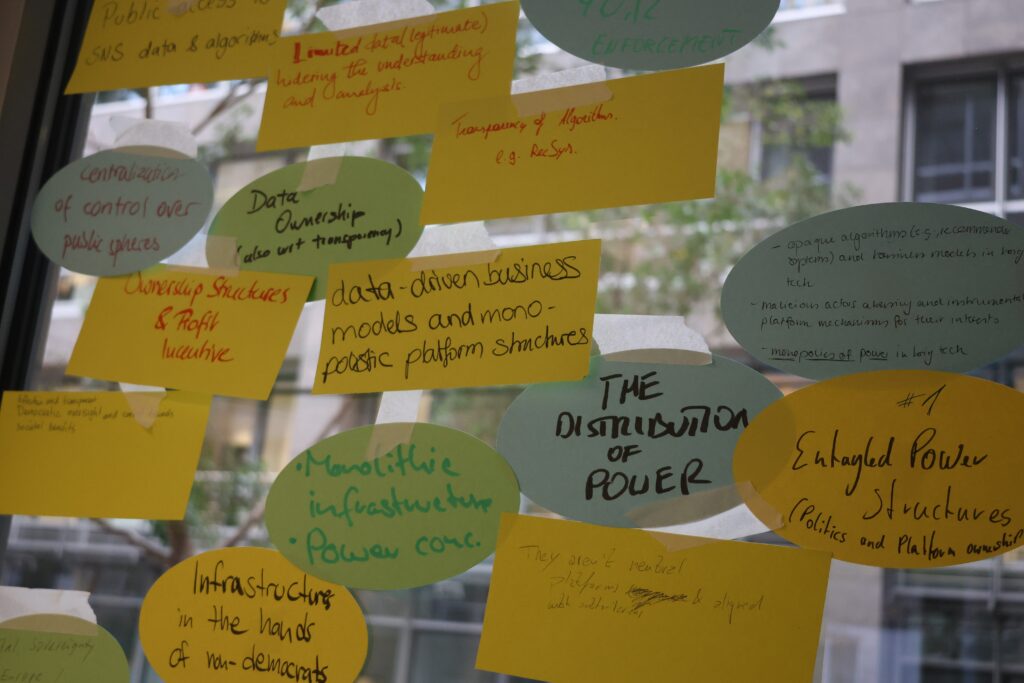
As geopolitical tensions increasingly play out online, the need for a democratic digital public sphere has never been more urgent. Political interests, platform governance choices, and regulatory gaps all shape how online debate unfolds, but what concretely needs to change?

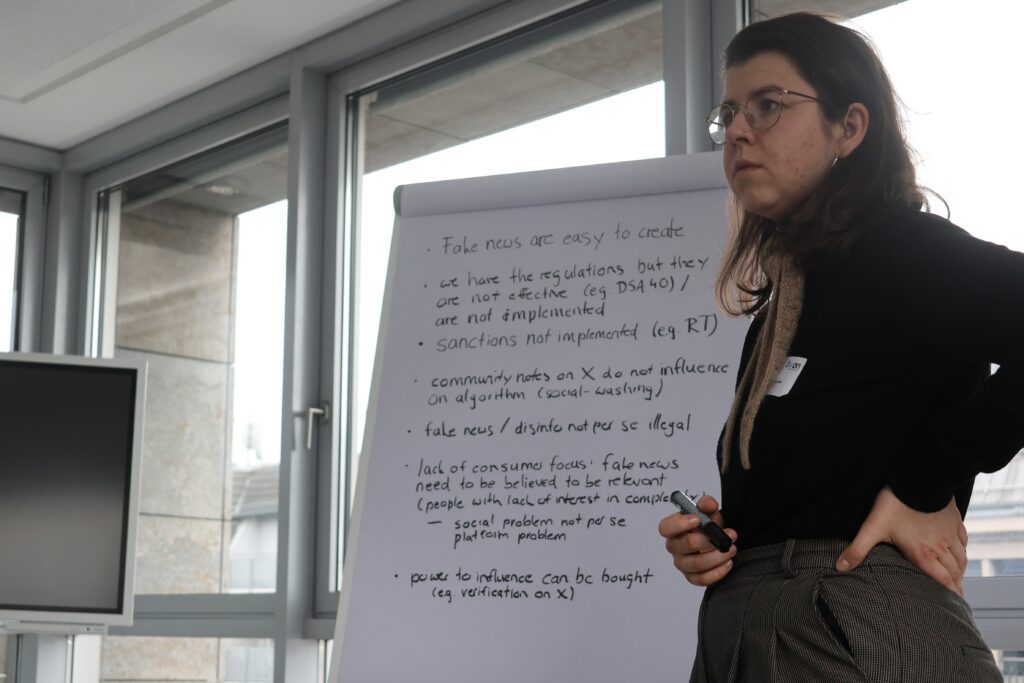
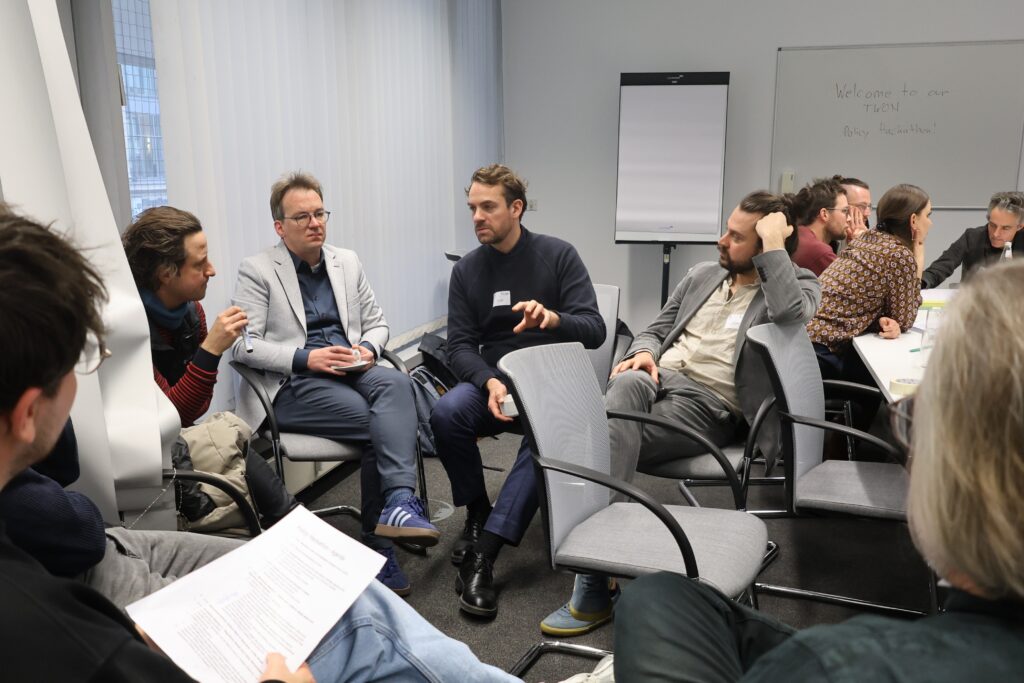
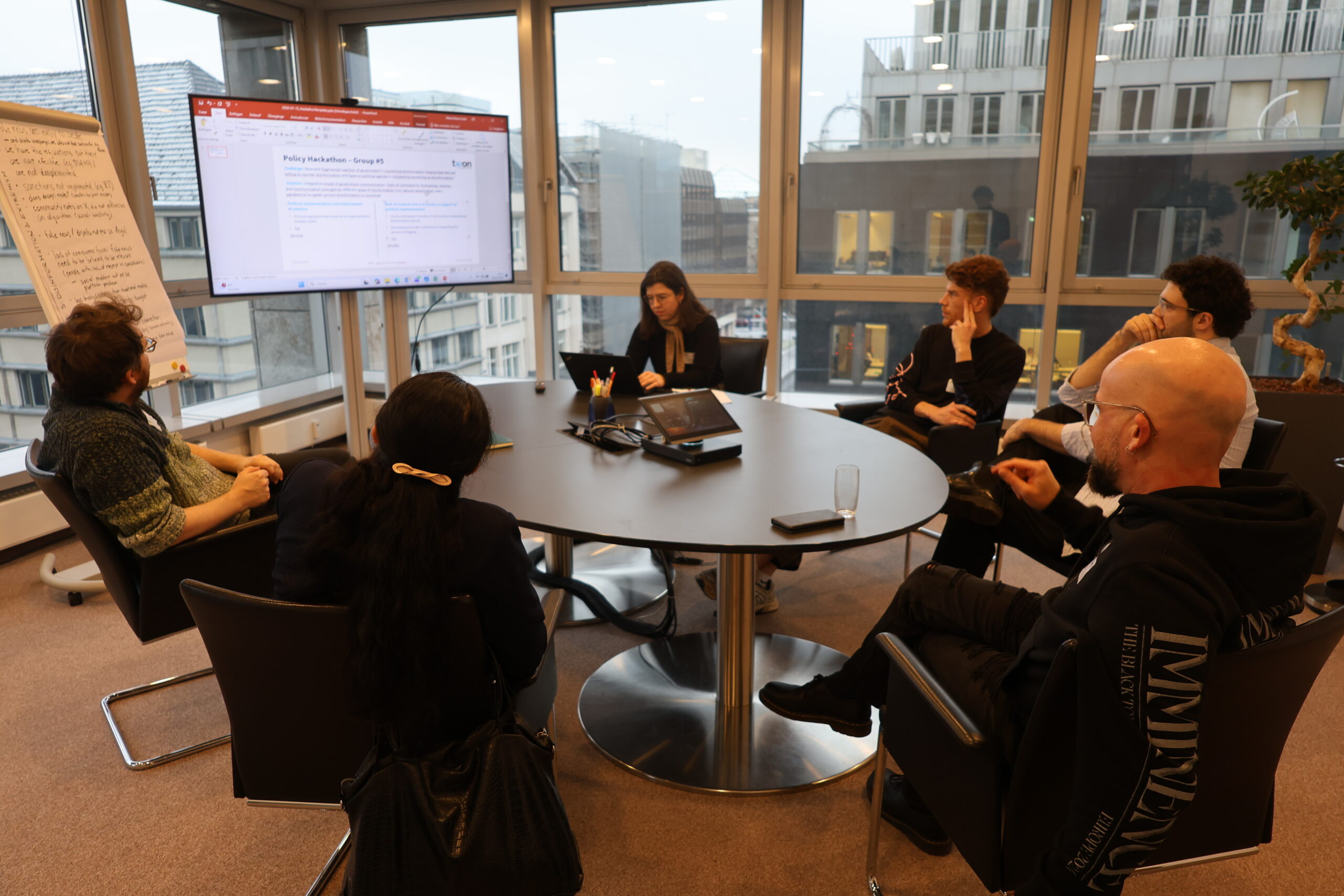
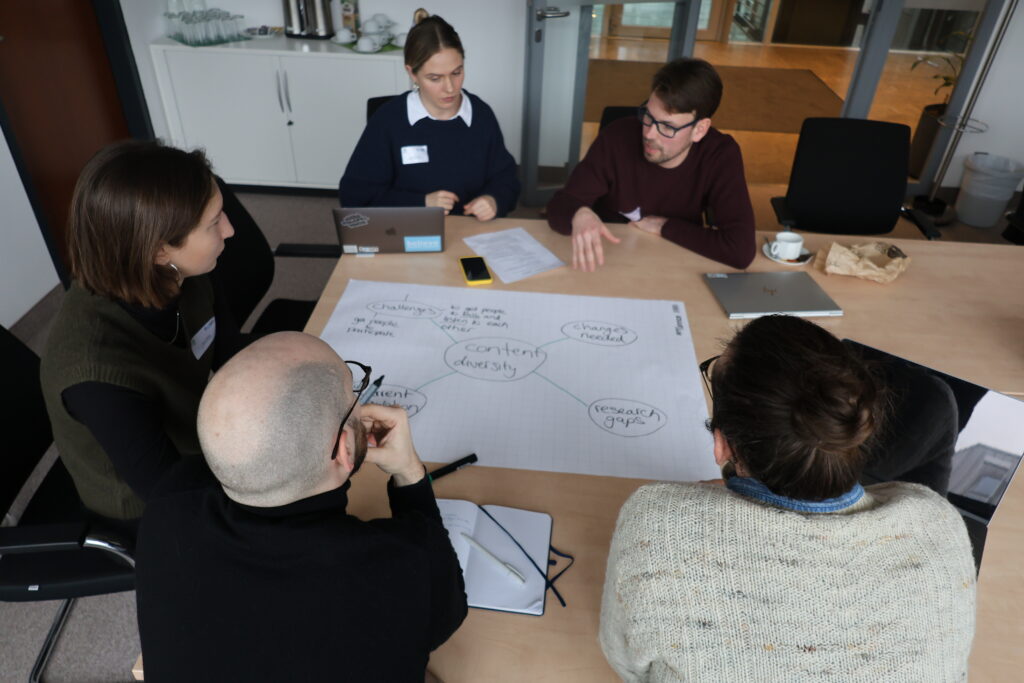
These questions were at the heart of the TWON Policy Hackathon, which brought together experts from research, policymaking, digital law, platform governance, content moderation, and civil society to develop actionable, empirically grounded policy recommendations for online social networks.

The hackathon addressed the shared question of how online social networks must evolve in order to better enable democratic online debate and to safeguard democratic societies. Throughout the afternoon, participants exchanged perspectives on current and future challenges related to online social networks and their governance.

Building on the work of the TWON project, the hackathon connected research on platform design choices and online debate with policy perspectives and practical experience. Draft policy recommendations developed within the project served as a starting point for discussion and were critically examined during the workshop sessions.

The agenda combined a spotlight round on pressing challenges with two structured workshop sessions. Working in professionally mixed groups, participants discussed the current state of knowledge, experiences from practice and regulation, and open research questions. The second workshop session focused on identifying regulatory needs and developing policy recommendations.

We would like to thank all participants for their valuable contributions, thoughtful discussions and engagement throughout the event.


IMG_0279

TWON Consortium Meeting – a recap 

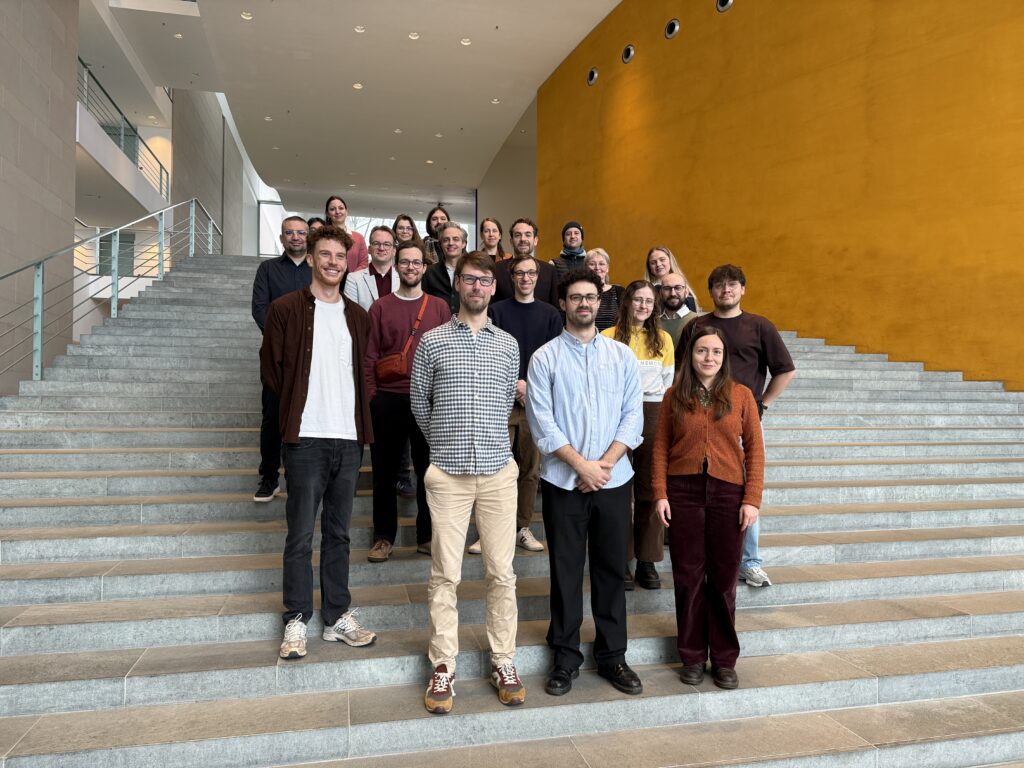
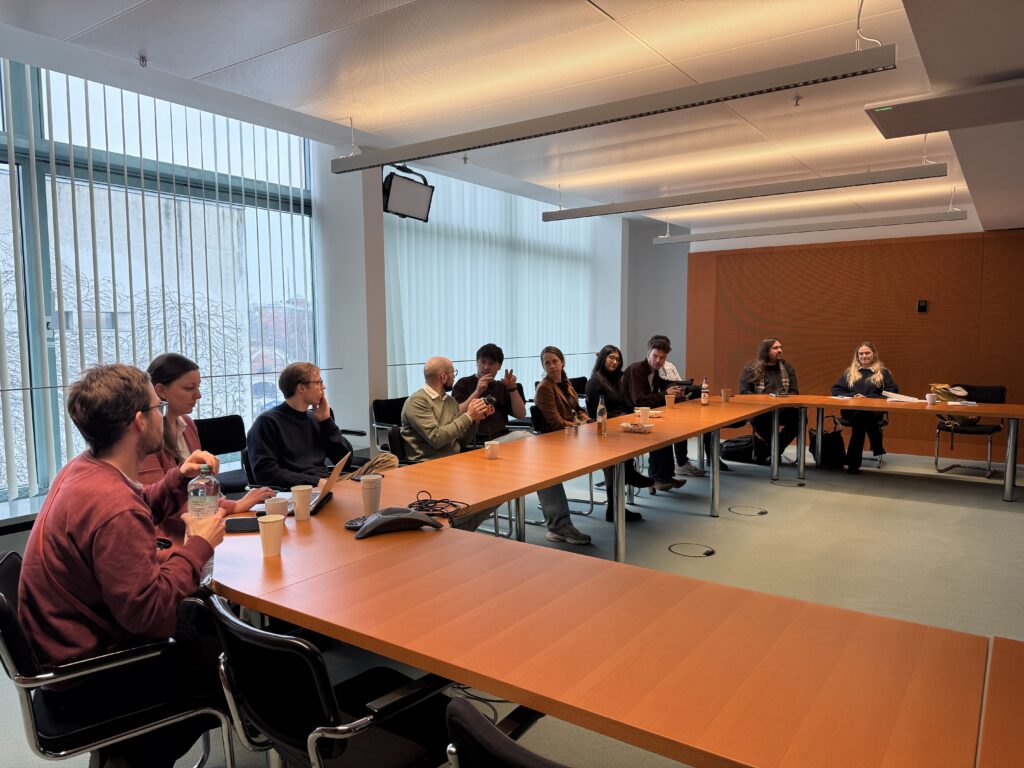
Last week, the TWON consortium came together in Berlin to advance ongoing work on democratic online social networks and to strengthen the project’s dialogue with policy and civil society stakeholders.

Across a series of internal and public sessions, the meeting focused on how platform design and algorithmic choices shape democratic discourse, contribute to polarization, and influence the spread of disinformation. A dedicated Policy Hackathon provided space for consortium members and external experts to explore regulatory challenges and identify priorities for future policy-oriented work.

In addition, TWON hosted a public dissemination event at Publix, bringing together participants from politics, academia, and civil society to discuss responsible platform design and the broader implications of the project’s research.

The week also included TWON’s General Assembly, where the consortium reflected on progress and lessons learned and discussed how the project’s insights can support future research and collaboration beyond TWON.

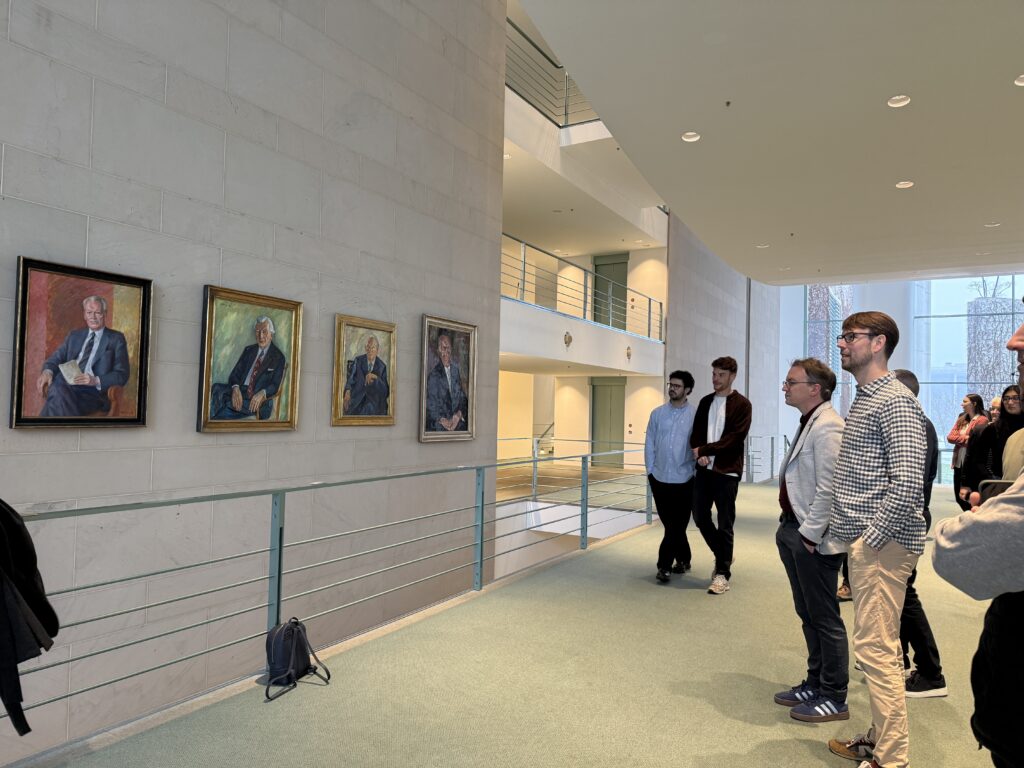
The programme concluded with a visit to the German Chancellery and further exchanges with colleagues from the policy sphere, highlighting the importance of connecting research and governance perspectives in the field of online platforms.

The TWON consortium thanks all contributors for their engagement, constructive discussions, and continued collaboration.

Research on Open Source LLM Safety at HICSS 2026

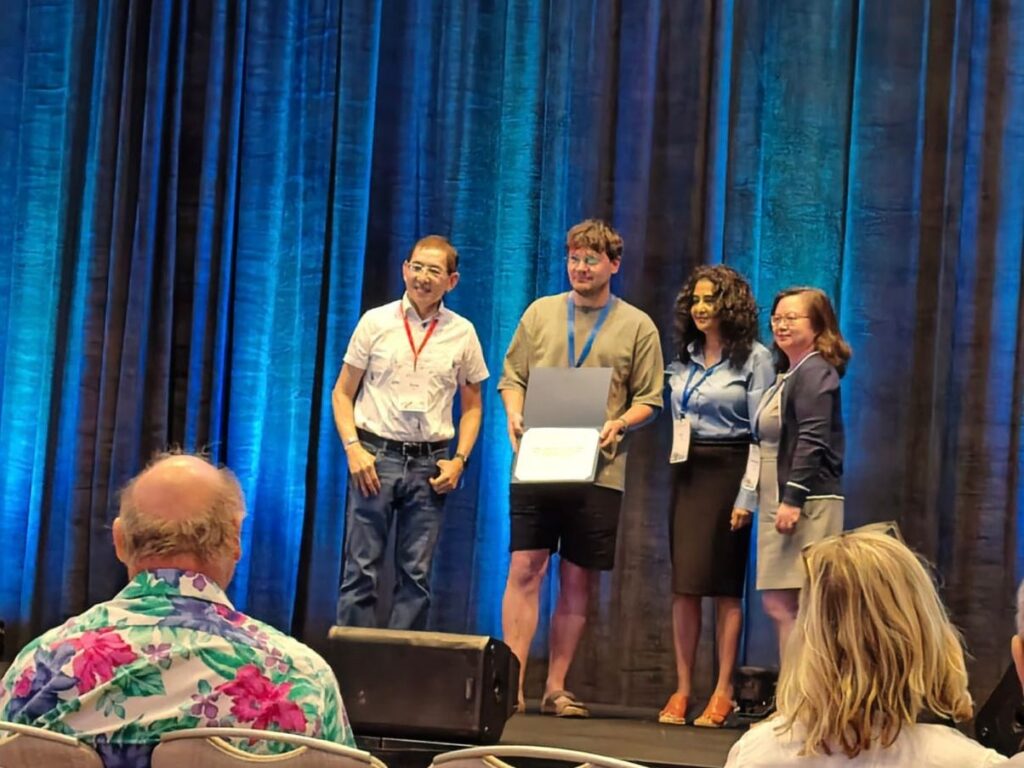
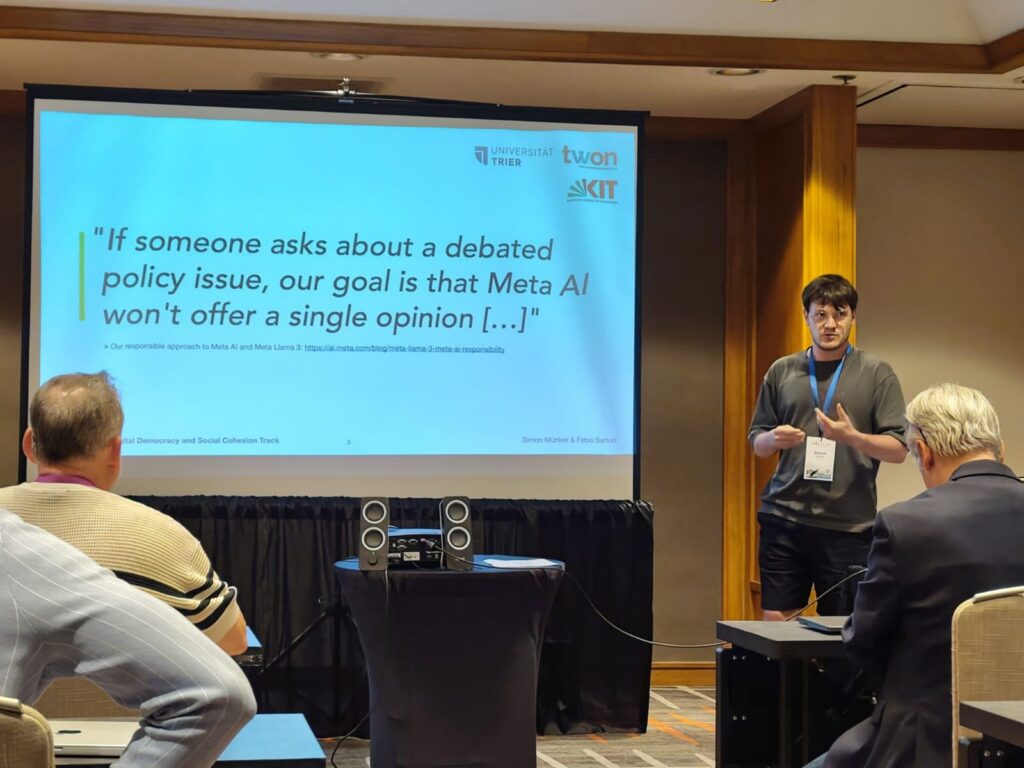
From January 6-9, 2026, TWON researcher Simon Münker presented his paper at the Hawaii International Conference on System Sciences (HICSS), one of the leading international conferences in the field of information systems and digital innovation.

The paper addresses societal risks associated with open source Large Language Models and evaluates the effectiveness of existing safety and guardrail mechanisms. Together with his co author Fabio Sartori, Simon Münker received the Best Paper Award for this research.

The study systematically examines guardrail vulnerabilities across seven widely used open source LLMs. Using advanced natural language processing classification methods, it identifies recurring patterns of harmful content generation under adversarial prompting. These vulnerabilities were first observed during earlier research activities within the TWON project, where initial experiments revealed persistent weaknesses in model safety mechanisms.

The findings show that several prominent models consistently produce content classified as hateful or offensive. This raises concerns about the potential implications of open source LLMs for democratic discourse and social cohesion. In particular, the results challenge public safety assurances by model developers and point to discrepancies between stated safeguards and observed model behavior.

The research contributes to ongoing discussions on responsible AI development and the governance of AI systems that shape online communication and public discourse. It underlines the need for more robust, transparent and empirically tested safety mechanisms in open source AI ecosystems.

The paper was presented as part of the Digital Democracy Minitrack at HICSS 2026.